


How Meibography Helps Identify the Underlying Causes of Dry Eye
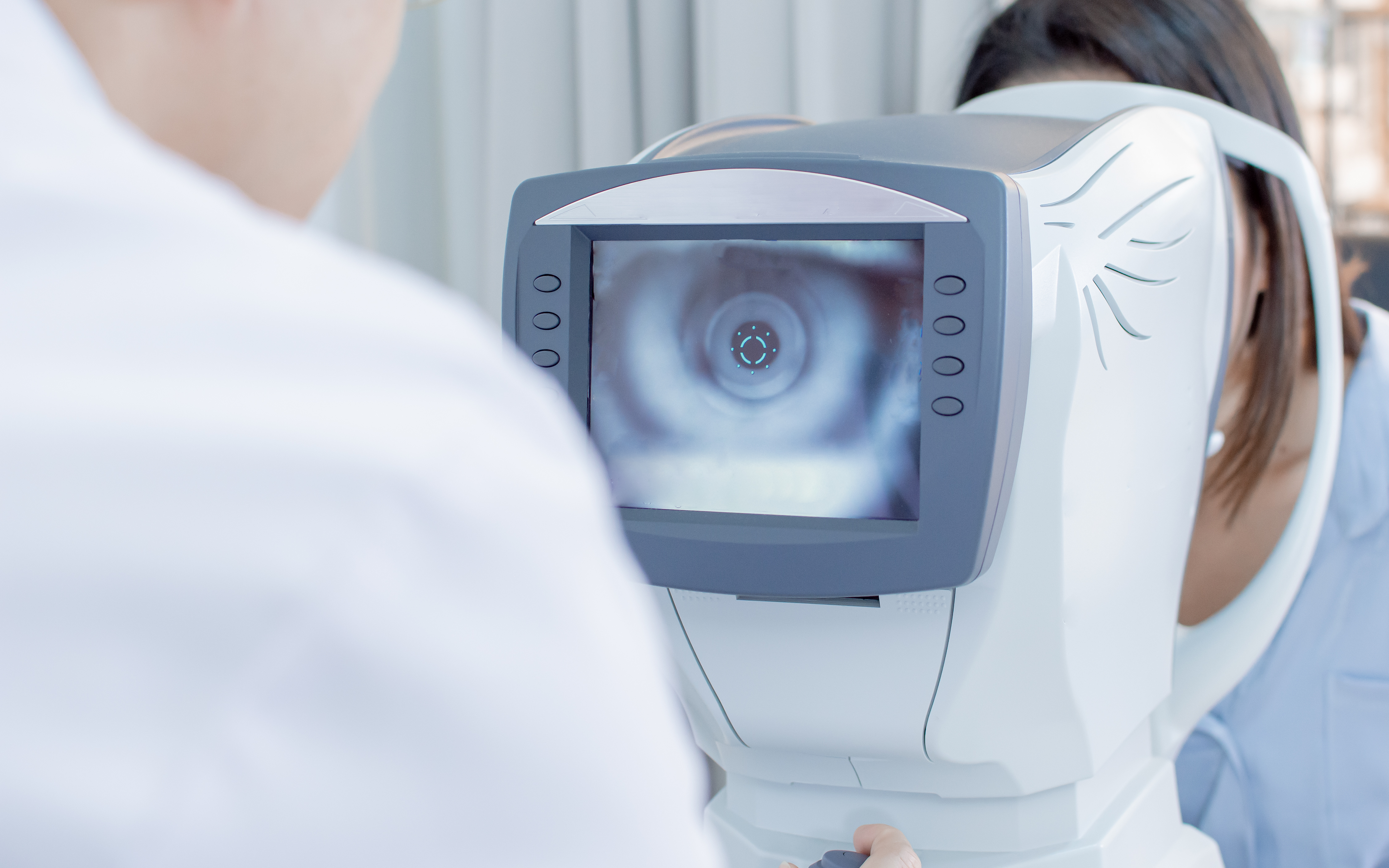
Dry eye symptoms can feel similar even when their causes differ. Burning, fluctuating vision, excessive tearing, and a gritty sensation may be related to tear production, tear quality, or problems with the oil glands in the eyelids. At West End Eye Care in Hartford and Glastonbury, CT, we use advanced diagnostic technology, including meibography, to better understand what may be contributing to discomfort and help guide personalized care.
What Is Meibography?
Meibography is a noninvasive imaging test that allows us to examine the meibomian glands inside your eyelids. These small glands produce oils that form the outer layer of your tear film. This oil slows tear evaporation and helps keep the eyes comfortable between blinks.
Our Marco Phoenix Meibography Workstation captures detailed images of these glands without surgery or injections. The images allow us to assess gland structure in ways that are not possible with a routine visual inspection alone.
How Meibography Helps Explain Dry Eye Symptoms
A common contributor to dry eye is meibomian gland dysfunction (MGD). When these glands do not release enough healthy oil, tears may evaporate too quickly. This is known as evaporative dry eye. Meibography can reveal changes that suggest the glands may not be functioning normally.
During an evaluation, we look for findings such as:
· Gland shortening: Glands may appear shorter than expected, suggesting structural changes.
· Gland dropout: Some glands may be partly or completely absent in the images.
· Irregular gland shape: Distorted or uneven gland patterns can indicate changes over time.
· Differences between eyelids: Comparing the upper and lower lids can help us assess how widely changes are distributed.
These findings provide useful information, but imaging alone does not diagnose every cause of dry eye. We also consider symptoms, tear film stability, eyelid health, and how well the glands release oil.
Why Identifying Gland Changes Matters
Dry eye is not always caused by a lack of tears. Some people produce enough watery tears but experience discomfort because the protective oil layer is insufficient. Others have a combination of tear-production problems and excessive evaporation.
Meibography helps us identify possible contributors and document gland changes, including in patients whose symptoms are still mild. This can be particularly valuable when someone has tried lubricating drops without lasting relief. Instead of assuming every patient needs the same treatment, we can use the full examination to identify appropriate next steps.
How Meibography Supports a Personalized Treatment Plan
Depending on the results, we may recommend eyelid hygiene, warm compresses, lubricating eye drops, or additional treatment to improve oil flow and address inflammation. Some patients need evaluation for other factors, such as medications, environmental conditions, or reduced tear production.
Follow-up assessments also help us monitor symptoms and eyelid health. Although treatments may improve comfort and gland function, glands that have been lost may not grow back. That is one reason a thorough evaluation matters.
If you're experiencing persistent dry eye symptoms, contact West End Eye Care in Hartford, CT, at (860) 295-4300 or Glastonbury, CT, at (860) 633-7889, to schedule a dry eye evaluation and learn whether meibography may help clarify the cause.


West End
- Address: 553 Farmington Ave
Hartford, CT 06105 - Phone: (860) 295-4300
Office Hours
- Monday 8:30am - 5:00pm
- Tuesday 8:30am - 5:00pm
- Wednesday 8:30am - 5:00pm
- Thursday 8:30am - 5:00pm
- Friday 8:30am - 2:00pm
- Saturday Closed
- Sunday Closed
Glastonbury
- Address: 2377 Main Street
Glastonbury, CT 06033 - Phone: (860) 633-7889
Office Hours
- Monday 9:00am - 5:30pm
- Tuesday 9:00am - 5:30pm
- Wednesday Closed
- Thursday 9:00am - 5:30pm
- Friday 9:00am - 3:00pm
- Saturday 9:00am - 3:00pm
- Sunday Closed

© 2026 West End Eye Care . All Rights Reserved. Accessibility Statement | Privacy Policy | Sitemap
Powered by:
